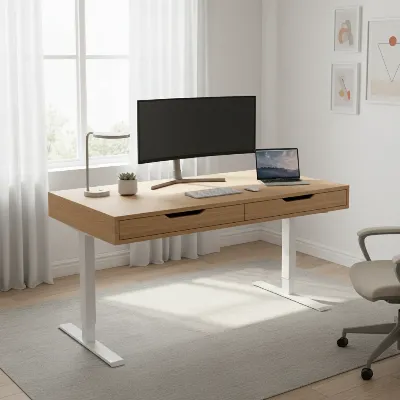
Making the switch to a standing desk is a commendable step towards a healthier, more active workday. Many of us spend hours hunched over traditional desks, leading to a myriad of health issues from back pain to poor circulation. Standing desks offer a powerful antidote, promising improved posture, increased energy, and even enhanced focus. However, diving headfirst into standing for eight hours straight can lead to discomfort, fatigue, and even injury if not approached thoughtfully. This guide is designed to help you integrate a standing desk into your routine seamlessly, ensuring a pain-free transition that maximizes its benefits without the common pitfalls.
Popular Types of Standing Desks
Understanding the different types of standing desks available can help you choose the best fit for your needs and budget, laying the groundwork for a comfortable transition.
Electric Standing Desks
These desks feature motorized height adjustment, allowing for effortless switching between sitting and standing positions with the push of a button.
- Advantages: Easy and quick height adjustments, often with programmable memory presets for multiple users or preferred heights. Ideal for frequent adjustments throughout the day.
- Disadvantages: Generally higher cost, requires an electrical outlet, and may have more complex mechanisms that could require maintenance.
|
Our Picks for the Best Standing Desk in 2026
As an Amazon Associate I earn from qualifying purchases.
|
||
| Num | Product | Action |
|---|---|---|
| 1 | Kingant Standing Desk Height Adjustable Small Electric Stand Up Desks [35 x 20 Inch] - Ergonomic Sit Stand Desk Rising Desks for Home Office Computer Desk Stand Desk Workstation with Cable Management |
![Check Kingant Standing Desk Height Adjustable Small Electric Stand Up Desks [35 x 20 Inch] - Ergonomic Sit Stand Desk Rising Desks for Home Office Computer Desk Stand Desk Workstation with Cable Management on Amazon](https://reviewdium.com/wp-content/plugins/amazon-tables/assets/images/buy.png)
|
| 2 | HUANUO 32" Small Electric Standing Desk Adjustable Height, 4 Memory Height Settings, Sit Stand Up Desk for Home Office & Computer Workstation, LightWalnut |
|
| 3 | Adjustable Standing Desk with Cable Management, 48 X 24 Inches Electric Stand Up Desk, 176LBS Load, 2 Memory Preset Height Table for Home Office Work with Splice Board (Rustic Brown Desktop) |
|
| 4 | ERGOMAKER Electric Standing Desk, 67" x 23.6" Height Adjustable Sit Stand Desk with Splice Board for Home Office, Computer Table Memory Preset (White Frame, White Desktop) |
|
| 5 | ERGOMAKER 63" Electric Standing Desk, Adjustable Height, Sit Stand Up Desk for Home Office & Computer Workstations, Memory Controller, White |
|
| 6 | Huuger 55 x 28 Large Electric Standing Desk, Height Adjustable Computer Desk, 27.6" Deep Desktop, Stand up Gaming Office Table with 2 Hooks, 3 Preset Heights, for Home Office, Black |
|
| 7 | Marsail Glass Standing Desk with Drawer 37 x 22 Inches Stand up Desk Standing Desk Adjustable Height with One-Piece Tempered Glass Top, Ergonomic Home Office Desk with 4 Preset Heights White |
|
| 8 | HUANUO Electric Small Standing Desk, 35" x 20" Whole Piece Desktop, Adjustable Height Computer Desk, 4 Height Memory Settings, Sit Stand Up Desk for Home Office, White |
|
| 9 | Standing Desk, Height Adjustable Electric Stand up Desk, 55 x 24 Inches Sit Stand Home Office Desk with Splice Board, Black Frame/Black Top |
|
| 10 | Small Height Adjustable Electric Standing Desk, 31.5" x 23.6" Sit Stand up Desk with Splice Board, Ergonomic Rising Computer Home Office Desk Table with Memory Preset, White Frame/White Top |
|
Manual Standing Desks
Operated by a hand crank or pneumatic lever, manual standing desks require physical effort to adjust their height.
- Advantages: More affordable, does not require electricity, and typically features a simpler, more durable mechanism.
- Disadvantages: Adjustments are slower and require more effort, which might discourage frequent changes in posture.
Standing Desk Converters
These are units that sit on top of an existing desk, converting it into a standing workstation. They are usually spring-assisted or manual.
- Advantages: Cost-effective way to try out a standing desk, portable, and suitable for smaller spaces or renters who cannot replace their primary desk.
- Disadvantages: May have a smaller workspace, less stable than full desks, and usually has a lower weight capacity. They might also take up valuable desk space.
Guide to Choosing a Standing Desk
Selecting the right standing desk is crucial for a successful and comfortable transition. Consider these factors to make an informed decision.
Determine Your Usage Needs
Before you even start looking, consider how and where you’ll use the desk. Are you working from home, in a bustling office, or primarily for gaming? The type of work dictates the features you’ll need. Think about the size of your monitors and other equipment. A graphic designer might need a larger surface and higher weight capacity than someone who primarily uses a laptop. How many hours a day do you plan to stand? This will influence the importance of smooth, easy adjustability.
Choose the Right Desk Type
Based on your needs and budget, select an electric, manual, or converter desk. If you plan to switch frequently and have the budget, an electric desk offers unparalleled convenience. For budget-conscious users or those who only plan to adjust a few times a day, a manual desk is a solid choice. If you’re experimenting with standing or have space constraints, a converter is an excellent entry point.
Material and Durability
The materials used in a standing desk affect its stability, aesthetics, and longevity. Look for sturdy frames, often made of steel, and durable desktop surfaces. Common desktop materials include laminate, bamboo, and solid wood. Laminate is budget-friendly and easy to clean, while bamboo and solid wood offer a premium look and feel but come at a higher cost. Ensure the desk can support the weight of your equipment, especially if you have multiple monitors or heavy peripherals.
Features and Conveniences
Modern standing desks offer a variety of features that can enhance your experience. Look for:
- Memory Presets: For electric desks, these allow you to save your preferred sitting and standing heights for quick adjustments.
- USB Charging Ports: Convenient for keeping your devices powered.
- Cable Management Solutions: Helps keep your workspace tidy and organized.
- Integrated Drawers or Shelves: Provides extra storage.
- Anti-Collision Sensors: Prevents the desk from lowering onto objects.
Consider the ease of assembly. Some desks are designed for quick setup, while others may require more time and tools.
Comparing Top Standing Desk Models
| Model | Desk Type | Advantages | Disadvantages | Estimated Price Range |
|---|---|---|---|---|
| Ergonomic Pro | Electric | Seamless adjustment, memory presets, high weight capacity | Premium price, requires power | $500 – $1200 |
| Manual Lift Plus | Manual | Cost-effective, robust, no power needed, eco-friendly | Slower adjustment, manual effort | $250 – $600 |
| Desktop Converter X | Converter | Portable, easy to setup on existing desks, budget-friendly | Smaller work surface, less stable than full desks | $100 – $350 |
Benefits of Using a Standing Desk
Beyond the novelty, standing desks offer significant health and productivity advantages that make the transition worthwhile.
Improved Health
Regularly switching between sitting and standing can dramatically improve various aspects of your health. It can alleviate chronic back and neck pain by promoting better posture and reducing spinal compression. Standing also increases blood circulation, which helps prevent the stiffness and discomfort associated with prolonged sitting. Furthermore, standing burns more calories than sitting, contributing to weight management and reducing the risk of obesity-related diseases. Many users report feeling more energetic and less sluggish throughout the day, a direct result of increased activity.
Enhanced Productivity
A standing desk isn’t just about physical health; it also positively impacts your mental well-being and work output. Standing can boost alertness and focus, making it easier to concentrate on tasks and maintain mental clarity. It can also reduce feelings of fatigue and stress, transforming a sedentary work environment into a dynamic one. This increased engagement can foster greater creativity and problem-solving abilities, as a more active body often leads to a more active mind.
“Sedentary lifestyles are a major contributor to modern health crises. Incorporating a standing desk is a powerful intervention that can significantly improve musculoskeletal health, metabolic markers, and overall vitality for office workers.” – Dr. Emily R. Carter, Ergonomics and Occupational Health Specialist
Tips for a Pain-Free Transition
The key to successfully adopting a standing desk is a gradual and mindful approach.
Start Slowly
Do not attempt to stand for hours on end from day one. Begin with short intervals, perhaps 15-30 minutes of standing for every hour of sitting. Gradually increase your standing time over several weeks. Listen to your body and sit down when you feel tired or uncomfortable. The goal is to build stamina and adapt to the new posture, not to push yourself to the point of pain.
Maintain Proper Posture
Good posture is paramount whether sitting or standing. When standing, ensure your feet are flat on the floor, about hip-width apart. Your knees should be slightly bent, not locked. Keep your back straight, shoulders relaxed, and head balanced over your spine. Your monitor should be at eye level, about an arm’s length away, and your keyboard and mouse should be positioned so your elbows are at a 90-degree angle, close to your body. Avoid leaning or slumping, as this can strain your back and neck.
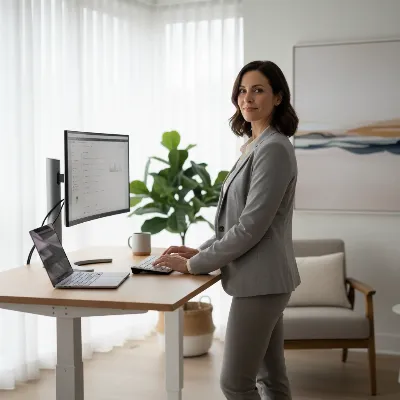 A person demonstrating good standing posture at an adjustable desk with proper monitor and keyboard height
Use an Anti-Fatigue Mat
An anti-fatigue mat is a game-changer for standing desk users. It provides cushioning and encourages subtle micro-movements in your feet and legs, reducing pressure on your joints and improving circulation. This can significantly alleviate foot, leg, and back fatigue, allowing you to stand comfortably for longer periods. Choose a mat with a good thickness and density for optimal support.
Wear Comfortable Footwear
Avoid high heels or uncomfortable dress shoes when standing for extended periods. Opt for supportive, comfortable shoes, or even consider standing barefoot if your workplace allows and you’re using an anti-fatigue mat. Proper footwear provides additional cushioning and support, which is vital for reducing strain on your feet and lower body.
Integrate Movement and Breaks
Even with a standing desk, static standing for too long can be detrimental. Incorporate regular movement throughout your day. Walk around, stretch, or do some simple exercises every hour or so. Consider setting reminders to prompt you to move. Taking short breaks to step away from your desk completely, whether standing or sitting, helps refresh your mind and body.
Hydrate Regularly
Staying hydrated is crucial for overall health and can help combat fatigue. Keep a water bottle at your desk and sip throughout the day. Dehydration can exacerbate feelings of tiredness and muscle soreness, making your standing desk transition more challenging.
Conclusion
Embracing a standing desk is a fantastic way to revolutionize your work routine, offering a myriad of benefits from alleviating back pain and boosting energy to enhancing focus and creativity. The key to a successful and pain-free transition lies in a thoughtful, gradual approach: start with short standing intervals, prioritize proper posture, invest in an anti-fatigue mat, and remember to integrate movement and hydration into your day. By following these guidelines, you’ll not only avoid common discomforts but truly unlock the full potential of a healthier, more dynamic workspace. What changes will you implement today to make your standing desk experience truly transformative?
Frequently Asked Questions
How long should I stand at a standing desk each day?
Initially, aim for 15-30 minutes of standing per hour, gradually increasing your standing time. The ultimate goal is to stand for at least 2-4 hours total throughout your workday, broken into comfortable intervals, rather than continuous standing.
Can a standing desk help with back pain?
Yes, a Standing Desk can significantly reduce back pain by promoting better posture and reducing the compressive forces on your spine that occur during prolonged sitting. However, it’s crucial to maintain proper standing posture and use an anti-fatigue mat for optimal results.
What are the signs I’m standing too much?
Signs that you might be standing too much include foot or leg pain, swelling in your ankles or feet, lower back pain, or general fatigue. If you experience these symptoms, it’s a good indication to sit down or take a break from standing.
Do I need special equipment for a standing desk?
While not strictly required, an anti-fatigue mat is highly recommended to reduce discomfort and encourage micro-movements. A monitor arm can also help achieve optimal eye-level viewing, and a footrest can provide additional comfort and posture support when sitting or standing.