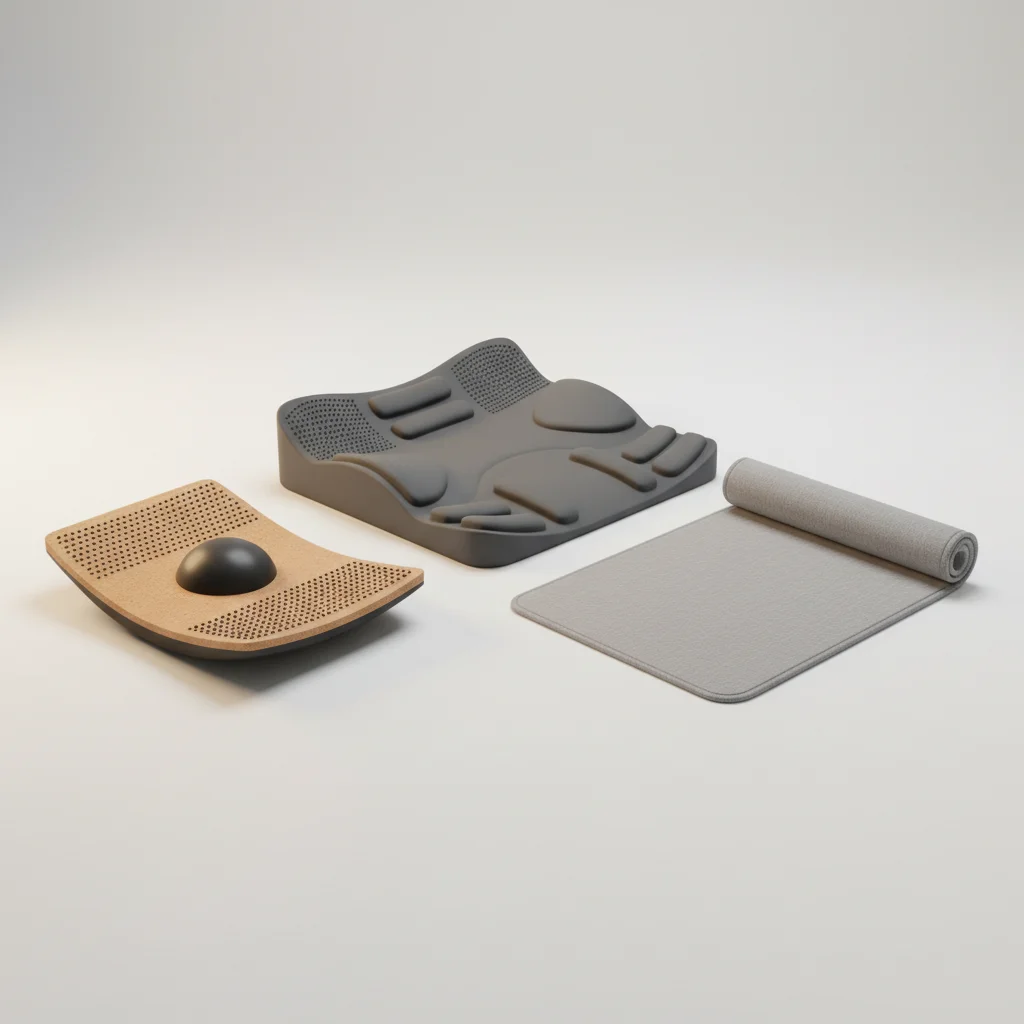
Standing desk mats are a worthwhile investment for anyone using a standing desk regularly, offering significant benefits for comfort and long-term health. Specifically, a quality anti-fatigue mat can reduce discomfort by up to 50% during extended standing periods, making your ergonomic setup truly effective.
The Science Behind Anti-Fatigue Mats
Anti-fatigue mats are designed to encourage subtle movements and improve circulation, which is crucial when standing for long periods. Unlike hard floors, these mats provide a cushioned surface that reduces impact on your joints and feet. The material, often a dense foam or gel, deforms slightly under pressure, causing your muscles to make micro-adjustments. This constant, subtle movement prevents blood pooling in the lower extremities and alleviates pressure points, leading to less fatigue and discomfort.
Research indicates that workers using anti-fatigue mats report lower levels of foot and leg pain compared to those standing on hard surfaces. This isn’t just about comfort; it’s about preventing long-term issues like plantar fasciitis and lower back pain that can arise from prolonged static standing.
Key Features to Look For in a Standing Desk Mat
When selecting a standing desk mat, several features contribute to its effectiveness and durability. The material is paramount; look for high-density foam, polyurethane, or gel-infused options that offer a good balance of softness and support. Thickness also plays a role, with mats typically ranging from 3/4 inch to 1 inch providing optimal cushioning without becoming a tripping hazard. Edge design is another important consideration; beveled edges reduce the risk of tripping and make it easier to roll a chair over the mat when transitioning from standing to sitting. Finally, a non-slip bottom is essential for safety and stability, ensuring the mat stays in place on various floor types.
- Material: High-density foam, polyurethane, or gel for optimal support.
- Thickness: 3/4 inch to 1 inch for effective cushioning.
- Edge Design: Beveled edges to prevent tripping.
- Non-Slip Base: Essential for safety and stability.
- Size: Sufficient area to move comfortably without stepping off.
Types of Standing Desk Mats and Their Benefits
|
Our Picks for the Best Standing Desk in 2026
As an Amazon Associate I earn from qualifying purchases.
|
||
| Num | Product | Action |
|---|---|---|
| 1 | ERGOMAKER Electric Standing Desk, 67" x 23.6" Height Adjustable Sit Stand Desk with Splice Board for Home Office, Computer Table Memory Preset (White Frame, White Desktop) |

|
| 2 | Standing Desk, Height Adjustable Electric Stand up Desk, 55 x 24 Inches Sit Stand Home Office Desk with Splice Board, Black Frame/Black Top |
|
| 3 | HUANUO 32" Small Electric Standing Desk Adjustable Height, 4 Memory Height Settings, Sit Stand Up Desk for Home Office & Computer Workstation, LightWalnut |
|
| 4 | HUANUO Electric Small Standing Desk, 35" x 20" Whole Piece Desktop, Adjustable Height Computer Desk, 4 Height Memory Settings, Sit Stand Up Desk for Home Office, White |
|
| 5 | Adjustable Standing Desk with Cable Management, 48 X 24 Inches Electric Stand Up Desk, 176LBS Load, 2 Memory Preset Height Table for Home Office Work with Splice Board (Rustic Brown Desktop) |
|
| 6 | Small Height Adjustable Electric Standing Desk, 31.5" x 23.6" Sit Stand up Desk with Splice Board, Ergonomic Rising Computer Home Office Desk Table with Memory Preset, White Frame/White Top |
|
| 7 | Kingant Standing Desk Height Adjustable Small Electric Stand Up Desks [35 x 20 Inch] - Ergonomic Sit Stand Desk Rising Desks for Home Office Computer Desk Stand Desk Workstation with Cable Management |
|
| 8 | Huuger 55 x 28 Large Electric Standing Desk, Height Adjustable Computer Desk, 27.6" Deep Desktop, Stand up Gaming Office Table with 2 Hooks, 3 Preset Heights, for Home Office, Black |
|
| 9 | ERGOMAKER 63" Electric Standing Desk, Adjustable Height, Sit Stand Up Desk for Home Office & Computer Workstations, Memory Controller, White |
|
| 10 | Marsail Glass Standing Desk with Drawer 37 x 22 Inches Stand up Desk Standing Desk Adjustable Height with One-Piece Tempered Glass Top, Ergonomic Home Office Desk with 4 Preset Heights White |
|
There are several types of standing desk mats, each offering unique benefits. Basic anti-fatigue mats provide a flat, cushioned surface, ideal for general use and straightforward comfort. Textured mats, on the other hand, feature various bumps, ridges, and slopes designed to encourage more dynamic movement and provide foot massage benefits. These can be particularly beneficial for stimulating circulation and engaging different muscle groups throughout the day. Some mats even incorporate balance boards or rocker features, further promoting active standing and core engagement. Consider your personal preferences and how much active movement you desire when choosing between these options.
Integrating a Mat into Your Ergonomic Workflow
A standing desk mat is a critical component of a truly ergonomic workspace. To maximize its benefits, ensure the mat is positioned directly under your standing area, allowing you to stand comfortably with both feet fully on the mat. When transitioning from sitting to standing, simply slide your chair back and step onto the mat. It’s important to still take short breaks and move around, even with a mat, as no single solution can replace regular movement. The mat should complement your standing desk, not replace the need for varied postures and activities throughout your workday.
Maintenance and Longevity of Standing Desk Mats
Proper maintenance can significantly extend the life of your standing desk mat. Most mats are easy to clean with a damp cloth and mild soap, making them suitable for everyday office environments. Avoid harsh chemicals or abrasive cleaners, which can damage the mat’s surface and reduce its anti-fatigue properties. Regularly check for any signs of wear and tear, especially around the edges, to ensure it remains safe and effective. With good care, a high-quality standing desk mat can last for several years, providing consistent comfort and support.
Frequently Asked Questions
What are the primary benefits of using a standing desk mat?
Standing desk mats significantly improve comfort and long-term health by reducing discomfort by up to 50% during extended standing periods. They encourage subtle movements, improve circulation, and alleviate pressure points, preventing issues like plantar fasciitis and lower back pain.
How do anti-fatigue mats work to reduce discomfort?
Anti-fatigue mats work by providing a cushioned surface that reduces impact on joints and feet. The material, often dense foam or gel, causes muscles to make micro-adjustments, preventing blood pooling and alleviating pressure points, leading to less fatigue.
What key features should I look for when buying a standing desk mat?
When buying a standing desk mat, look for high-density foam, polyurethane, or gel materials, a thickness of 3/4 inch to 1 inch, beveled edges to prevent tripping, and a non-slip bottom for safety. These features ensure optimal support and durability.
Are there different types of standing desk mats available?
Yes, there are several types of standing desk mats. Basic anti-fatigue mats offer a flat cushioned surface, while textured mats feature bumps and ridges for dynamic movement and foot massage. Some mats even include balance boards for active standing and core engagement.
How should I integrate a standing desk mat into my ergonomic workspace?
To integrate a standing desk mat effectively, position it directly under your standing area so both feet are fully on the mat. Remember to still take short breaks and move around, as the mat complements your standing desk but doesn't replace the need for varied postures.
What is the best way to maintain a standing desk mat for longevity?
To maintain a standing desk mat, clean it regularly with a damp cloth and mild soap, avoiding harsh chemicals. Regularly check for wear and tear, especially around the edges, to ensure it remains safe and effective. A well-maintained mat can last several years.
Get our weekly buyer guide
Practical specs, not advice. Unsubscribe anytime.

This mat is a game-changer! I used to get really stiff after just an hour or two at my standing desk, but the subtle movements it encourages really work. My muscles feel less strained, and I don’t have that end-of-day foot fatigue anymore. It’s amazing how much a good mat can improve your ergonomic setup.
I was skeptical about a standing desk mat at first, but after reading about how they improve circulation and reduce impact on joints, I decided to try one. It’s made a huge difference! My feet and back feel so much better after a full day of standing. Definitely worth the investment for anyone with a standing desk.
I’ve been using a standing desk for a year now, and while it helped my back, my feet were still getting pretty sore. The idea of reducing discomfort by up to 50% sounded too good to be true, but I’m pleasantly surprised. My mat, which is a dense foam, really does make a noticeable difference. I can stand longer without feeling that usual ache.
I got an anti-fatigue mat hoping it would solve all my foot pain issues. It’s definitely better than standing on the hard floor, and I appreciate the cushioning. However, I still find myself shifting a lot and my feet get tired after a few hours. Maybe I just need to find a different type of mat, or my expectations were a bit too high.