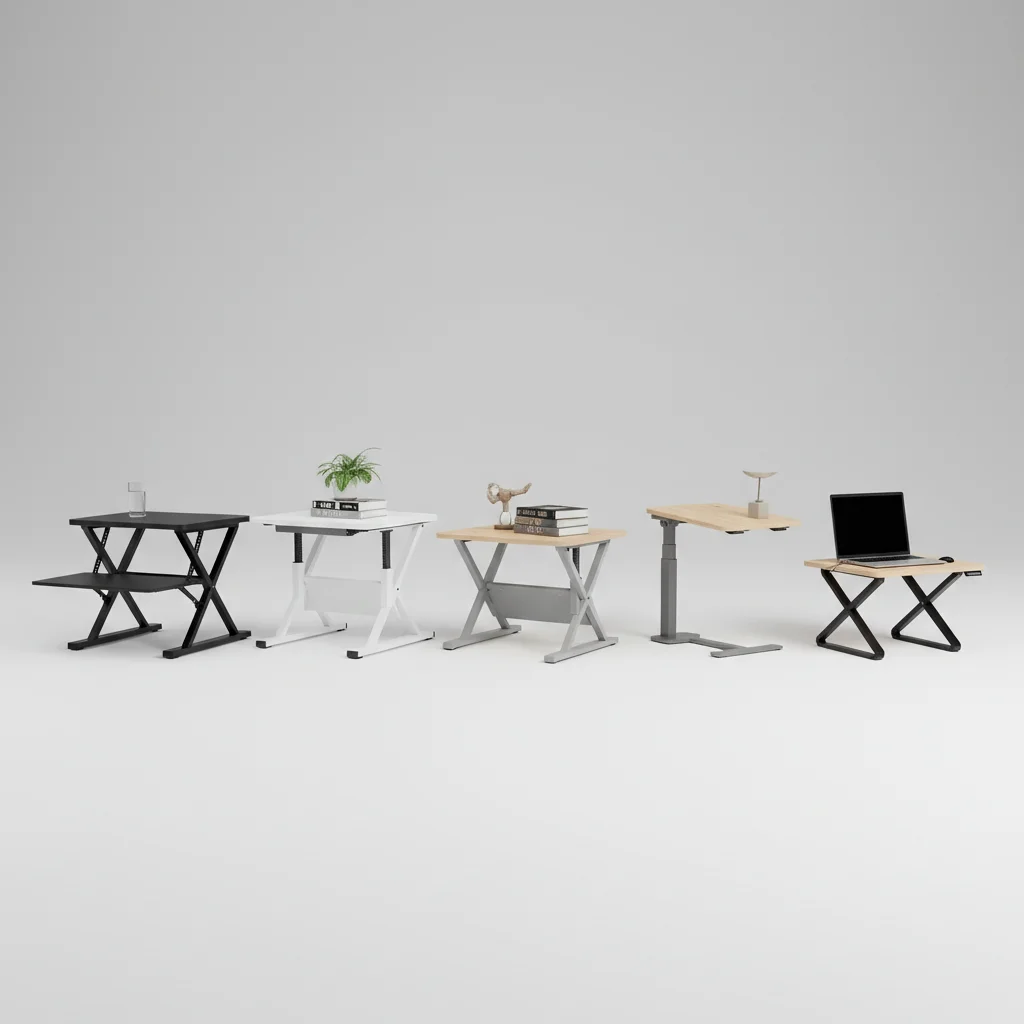
Standing desk converters offer a flexible way to enjoy the benefits of a standing workstation without replacing your entire desk. However, their stability is a critical concern, especially when supporting multiple monitors or heavy equipment. The stability of a standing desk converter hinges on five key factors: its base design, lifting mechanism, material quality, weight capacity, and the surface it rests upon. Understanding these elements will help you select a converter that remains steady and secure throughout your workday.
Base Design and Footprint
The foundation of any stable standing desk converter is its base design. Converters with a wide, deep footprint that extends close to the edges of your existing desk provide superior stability. This broad base distributes weight more effectively and reduces the likelihood of wobbling, particularly when the converter is raised to its maximum height. Some designs feature an X-frame or Z-frame base, which can offer different levels of stability depending on the quality of the joints and materials. A heavier base often contributes to better stability, as it lowers the center of gravity.
Lifting Mechanism and Locking System
The type of lifting mechanism significantly impacts a converter’s stability. Gas spring mechanisms are common, offering smooth height adjustments. For optimal stability, look for converters with a robust locking system that securely holds the platform at various heights. Dual gas springs or a well-engineered counterbalance system can prevent tilting or sagging. Converters that lock firmly into place at each height setting, without any play or give, will feel more secure during use. Avoid models with flimsy locking levers or those that require excessive force to engage.
Material Quality and Construction
|
Our Picks for the Best Standing Desk in 2026
As an Amazon Associate I earn from qualifying purchases.
|
||
| Num | Product | Action |
|---|---|---|
| 1 | Small Height Adjustable Electric Standing Desk, 31.5" x 23.6" Sit Stand up Desk with Splice Board, Ergonomic Rising Computer Home Office Desk Table with Memory Preset, White Frame/White Top |

|
| 2 | Huuger 55 x 28 Large Electric Standing Desk, Height Adjustable Computer Desk, 27.6" Deep Desktop, Stand up Gaming Office Table with 2 Hooks, 3 Preset Heights, for Home Office, Black |
|
| 3 | HUANUO 32" Small Electric Standing Desk Adjustable Height, 4 Memory Height Settings, Sit Stand Up Desk for Home Office & Computer Workstation, LightWalnut |
|
| 4 | HUANUO Electric Small Standing Desk, 35" x 20" Whole Piece Desktop, Adjustable Height Computer Desk, 4 Height Memory Settings, Sit Stand Up Desk for Home Office, White |
|
| 5 | Adjustable Standing Desk with Cable Management, 48 X 24 Inches Electric Stand Up Desk, 176LBS Load, 2 Memory Preset Height Table for Home Office Work with Splice Board (Rustic Brown Desktop) |
|
| 6 | Marsail Glass Standing Desk with Drawer 37 x 22 Inches Stand up Desk Standing Desk Adjustable Height with One-Piece Tempered Glass Top, Ergonomic Home Office Desk with 4 Preset Heights White |
|
| 7 | ERGOMAKER 63" Electric Standing Desk, Adjustable Height, Sit Stand Up Desk for Home Office & Computer Workstations, Memory Controller, White |
|
| 8 | ERGOMAKER Electric Standing Desk, 67" x 23.6" Height Adjustable Sit Stand Desk with Splice Board for Home Office, Computer Table Memory Preset (White Frame, White Desktop) |
|
| 9 | Kingant Standing Desk Height Adjustable Small Electric Stand Up Desks [35 x 20 Inch] - Ergonomic Sit Stand Desk Rising Desks for Home Office Computer Desk Stand Desk Workstation with Cable Management |
|
| 10 | Standing Desk, Height Adjustable Electric Stand up Desk, 55 x 24 Inches Sit Stand Home Office Desk with Splice Board, Black Frame/Black Top |
|
The materials used in a standing desk converter’s construction directly influence its durability and stability. Steel frames are generally more stable and long-lasting than those made primarily from plastic or aluminum. The thickness of the steel and the quality of the welds are also important considerations. For the work surface, a sturdy MDF or solid wood top will resist flexing and provide a firm platform for your equipment. Pay attention to the quality of the fasteners and joints; tightly assembled components contribute to overall rigidity.
Weight Capacity and Load Distribution
Every standing desk converter has a specified weight capacity, which indicates the maximum load it can safely support. Exceeding this limit will compromise stability and could lead to damage. It’s crucial to calculate the combined weight of your monitors, laptop, keyboard, mouse, and any other items you plan to place on the converter. Furthermore, how you distribute this weight matters. Centering heavier items, such as monitors, over the base will enhance stability. Avoid placing all heavy items on one side, as this can create an imbalance and increase wobble.
Existing Desk Surface and Setup
The stability of your standing desk converter is also dependent on the surface it rests upon. A solid, level, and stable existing desk is paramount. If your current desk is wobbly or uneven, the converter will inherit and likely amplify these issues. Ensure your desk is free from clutter that could interfere with the converter’s base. For optimal performance, the converter should be placed on a flat, non-slip surface. Consider adding non-slip pads to the converter’s feet if it tends to slide.
- Ensure your existing desk is perfectly level and stable.
- Distribute weight evenly across the converter’s surface.
- Regularly check and tighten any visible fasteners.
- Avoid leaning heavily on the converter while working.
- Choose a converter with a wide, deep base for better support.
Get our weekly buyer guide
Practical specs, not advice. Unsubscribe anytime.
