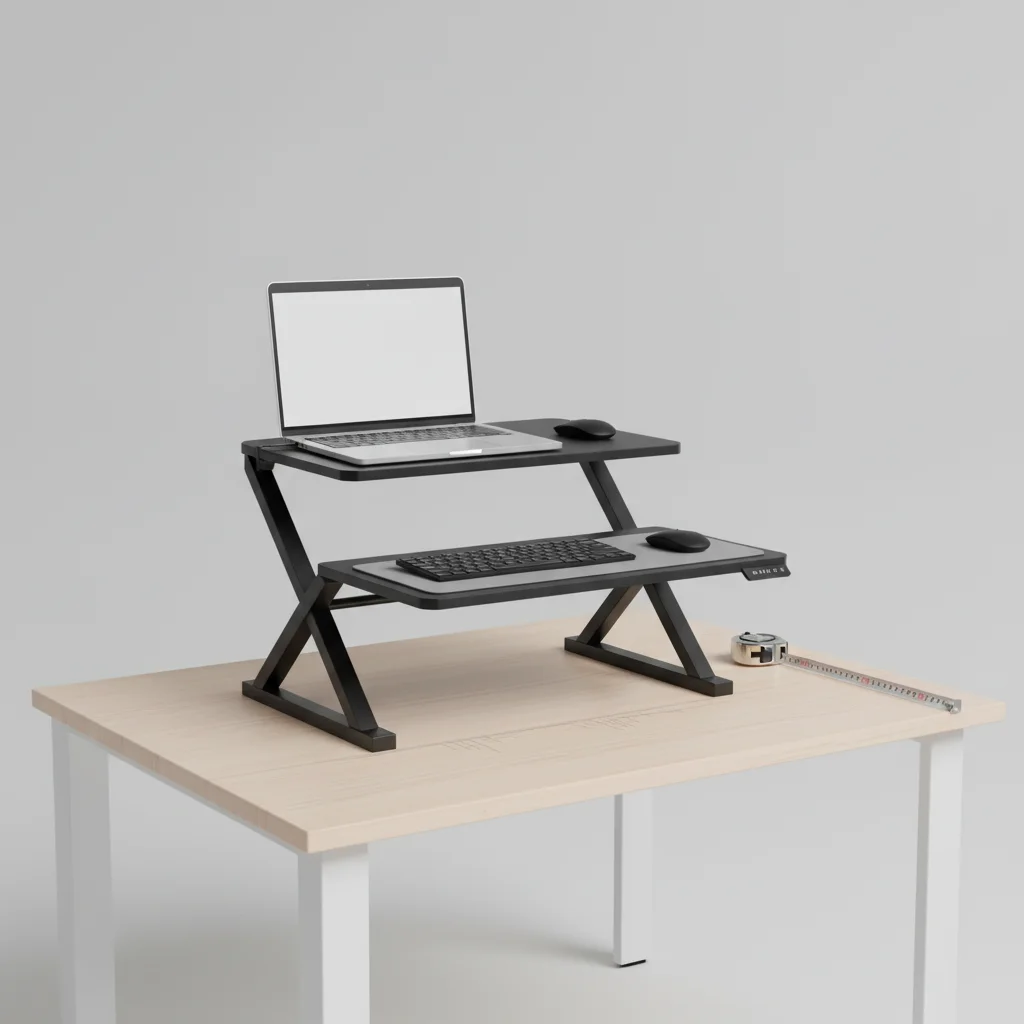
Standing desk converters are a popular solution for those looking to add ergonomic flexibility to their workspace without investing in a full standing desk. However, a common concern among users is whether these converters can damage their existing desk. The short answer is that while most standing desk converters are designed to be desk-friendly, there are three primary ways they could potentially cause damage if not used correctly or if the existing desk is not suitable.
Understanding Converter Design and Desk Compatibility
Most standing desk converters are designed with stability and desk protection in mind. They typically feature non-slip pads or rubber feet on their base to prevent scratching and provide grip. The weight of the converter itself, plus any equipment placed on it, is distributed across these contact points. However, the material and construction of your existing desk play a crucial role. Desks made from softer woods, particle board, or those with delicate finishes are more susceptible to pressure marks or scratches over time, especially if the converter is frequently moved or if heavy items are consistently placed on it. For expert ergonomic office reviews on this site.
Potential for Scratches and Abrasions
The most common form of damage is surface scratching or abrasion. This usually occurs if the protective pads on the converter’s base are missing, worn out, or if debris gets trapped between the converter and the desk surface. Frequent repositioning of a heavy converter without lifting it can also lead to scuffs. To mitigate this, regularly check the condition of the converter’s feet and ensure your desk surface is clean before placing the converter. Consider adding an extra layer of protection, such as a thin desk mat, underneath the converter’s base.
Risk of Indentations and Pressure Marks
|
Our Picks for the Best Standing Desk in 2026
As an Amazon Associate I earn from qualifying purchases.
|
||
| Num | Product | Action |
|---|---|---|
| 1 | Standing Desk, Height Adjustable Electric Stand up Desk, 55 x 24 Inches Sit Stand Home Office Desk with Splice Board, Black Frame/Black Top |

|
| 2 | Adjustable Standing Desk with Cable Management, 48 X 24 Inches Electric Stand Up Desk, 176LBS Load, 2 Memory Preset Height Table for Home Office Work with Splice Board (Rustic Brown Desktop) |
|
| 3 | Marsail Glass Standing Desk with Drawer 37 x 22 Inches Stand up Desk Standing Desk Adjustable Height with One-Piece Tempered Glass Top, Ergonomic Home Office Desk with 4 Preset Heights White |
|
| 4 | Kingant Standing Desk Height Adjustable Small Electric Stand Up Desks [35 x 20 Inch] - Ergonomic Sit Stand Desk Rising Desks for Home Office Computer Desk Stand Desk Workstation with Cable Management |
|
| 5 | Small Height Adjustable Electric Standing Desk, 31.5" x 23.6" Sit Stand up Desk with Splice Board, Ergonomic Rising Computer Home Office Desk Table with Memory Preset, White Frame/White Top |
|
| 6 | HUANUO Electric Small Standing Desk, 35" x 20" Whole Piece Desktop, Adjustable Height Computer Desk, 4 Height Memory Settings, Sit Stand Up Desk for Home Office, White |
|
| 7 | Huuger 55 x 28 Large Electric Standing Desk, Height Adjustable Computer Desk, 27.6" Deep Desktop, Stand up Gaming Office Table with 2 Hooks, 3 Preset Heights, for Home Office, Black |
|
| 8 | ERGOMAKER Electric Standing Desk, 67" x 23.6" Height Adjustable Sit Stand Desk with Splice Board for Home Office, Computer Table Memory Preset (White Frame, White Desktop) |
|
| 9 | ERGOMAKER 63" Electric Standing Desk, Adjustable Height, Sit Stand Up Desk for Home Office & Computer Workstations, Memory Controller, White |
|
| 10 | HUANUO 32" Small Electric Standing Desk Adjustable Height, 4 Memory Height Settings, Sit Stand Up Desk for Home Office & Computer Workstation, LightWalnut |
|
Heavy standing desk converters, especially those supporting multiple monitors and accessories, can exert significant downward pressure on a desk. Over time, this constant pressure can lead to indentations or pressure marks, particularly on desks made from softer materials like MDF or hollow-core designs. Desks with a thin veneer or laminate finish are also vulnerable to cracking or delamination under sustained stress. It’s important to check the weight capacity of your existing desk and compare it with the combined weight of the converter and your equipment.
Structural Strain and Instability
While less common, a standing desk converter can contribute to structural strain on a weaker or older desk. If your existing desk is already wobbly or has loose joints, adding a heavy converter and then raising it to standing height can exacerbate these issues, potentially leading to increased instability or even structural failure over time. This is particularly true for converters that extend significantly upwards, shifting the center of gravity. Always ensure your base desk is robust and stable enough to handle the added load and dynamic movement.
Preventative Measures for Desk Protection
To prevent damage to your existing desk when using a standing desk converter, consider these key steps:
- Always use the provided protective pads or add extra padding to the converter’s base.
- Distribute weight evenly across the converter’s surface to minimize localized pressure.
- Regularly inspect both your desk and the converter for any signs of wear or potential issues.
- If frequently moving the converter, lift it rather than sliding it across the desk surface.
- Choose a converter that is appropriately sized and weighted for your existing desk’s construction.
By taking these precautions, you can enjoy the ergonomic benefits of a standing desk converter without compromising the integrity or appearance of your current workspace. Investing in a high-quality converter with well-designed protective features is also a smart long-term strategy.
When to Consider a Full Standing Desk
If your existing desk is particularly fragile, antique, or simply not designed to handle the additional weight and movement of a converter, it might be time to consider a full standing desk. While converters offer a cost-effective entry point into ergonomic workspaces, a dedicated standing desk provides superior stability, often has a higher weight capacity, and integrates seamlessly into your office setup without any risk to your existing furniture. This ensures both your equipment and your desk remain in pristine condition.
Get our weekly buyer guide
Practical specs, not advice. Unsubscribe anytime.
